







Sign in
Don't have an account?
Share
Share
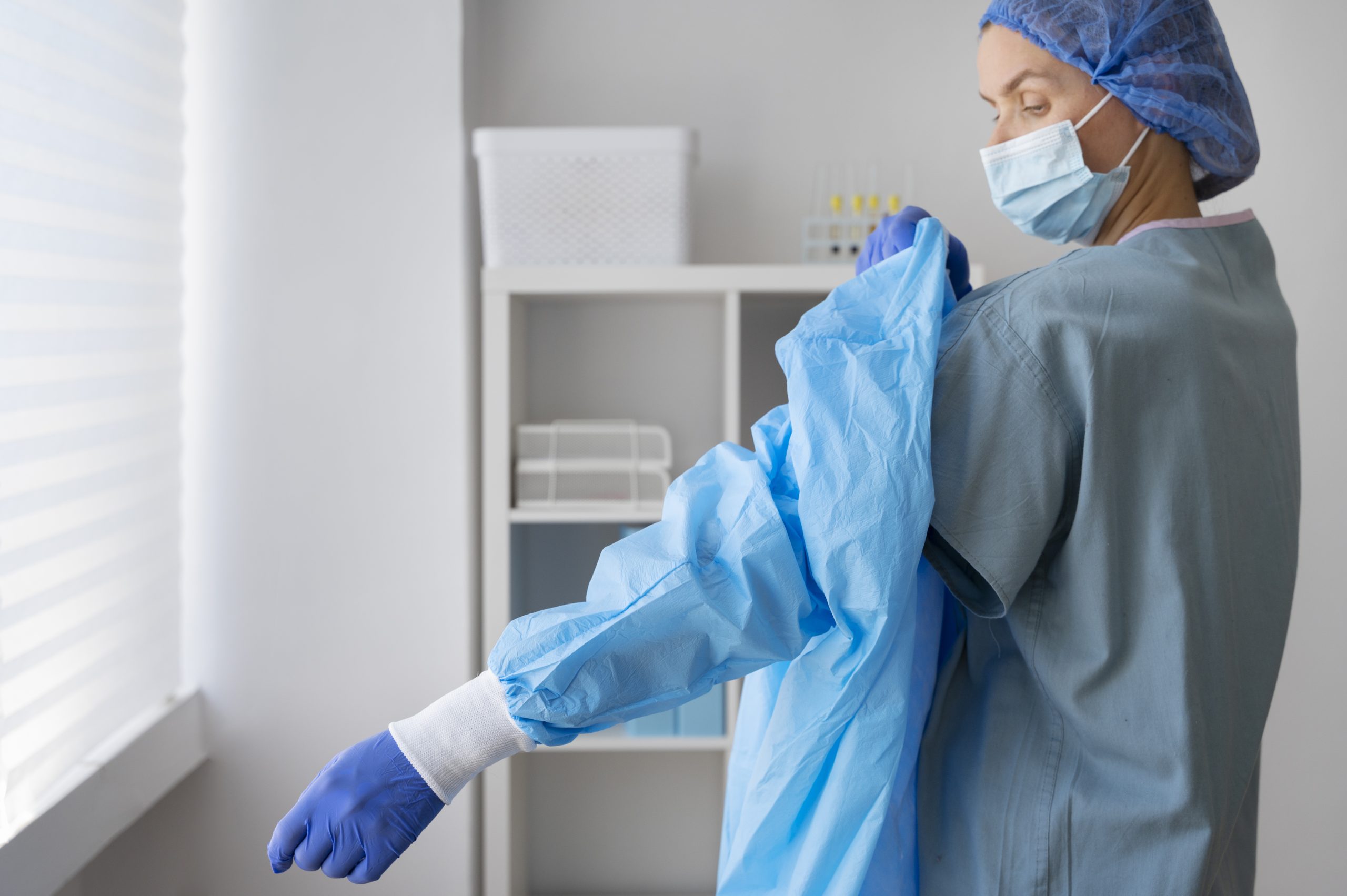
Disposable isolation gowns are a critical component of personal protective equipment (PPE) used in healthcare settings. They protect healthcare workers and patients by acting as a barrier against microorganisms, bodily fluids, and contaminants during clinical procedures and patient care.
From general consultations to higher-risk procedures, gowns help prevent cross-contamination between staff, patients, and clinical surfaces. Selecting the appropriate gown therefore involves more than choosing a convenient product. Healthcare facilities must evaluate protection levels, procedure risks, material durability, and supply planning.
This cluster guide explains how clinics evaluate disposable isolation gowns, how protection levels differ, and how gowns fit into broader infection control planning. It complements the strategies outlined in Commercial Workplace Hygiene & Facility Supply Strategy Explained and the clinical supply planning framework detailed in PPE & Hygiene Supply Planning for Clinics & Healthcare Facilities.
Isolation gowns are designed to prevent contaminants from reaching a healthcare worker’s clothing or skin while reducing the transmission of infectious microorganisms.
Healthcare professionals typically wear gowns when there is potential exposure to:
Because gowns act as a protective barrier, they must provide appropriate coverage and maintain reliable liquid resistance across critical protection zones, including sleeves and front panels.
In practice, gowns are used alongside other protective equipment such as gloves, masks, and protective apparel sourced through ranges offered by a trusted PPE supplier.
One of the most important considerations when selecting gowns is the level of fluid barrier protection. Isolation gowns are typically classified according to their resistance to liquid penetration.
The Association for the Advancement of Medical Instrumentation (AAMI) defines four protection levels, each corresponding to increasing exposure risk.
Level 1 gowns provide basic protection against small fluid splashes and are commonly used for routine care or visitor protection.
Typical uses include:
These gowns are lightweight and breathable but provide limited barrier protection.
Level 2 gowns offer greater resistance to fluid penetration and are suitable for procedures where limited exposure to bodily fluids may occur.
Common scenarios include:
Level 2 gowns provide stronger barrier protection while still maintaining mobility and comfort.
Level 3 and Level 4 gowns provide greater protection for environments with increased fluid exposure or higher contamination risk. These gowns are typically used in hospital settings, surgical environments, or emergency care units.
Healthcare facilities should match gown protection levels with the specific clinical tasks performed.
Isolation gowns are manufactured using a range of protective fabrics designed to prevent liquid penetration and microbial transmission.
Common materials include:
The choice of material affects durability, breathability, and protection level.
For example, a fully impervious gown such as the Prosafe Impervious Isolation Gown – Yellow (50 gowns) provides stronger fluid resistance for procedures where splash exposure is more likely.
Similarly, healthcare workers may rely on options such as the Prosafe Impervious Isolation Gown – Blue when consistent barrier protection is required during routine clinical tasks.
Beyond protection levels and materials, several design characteristics influence how well isolation gowns perform in clinical environments.
Effective gowns provide full coverage of the torso and arms, ensuring that critical protection zones shield the wearer from contamination.
Thumb loops or elastic cuffs help prevent sleeves from riding up during procedures, reducing the risk of exposure.
For example, designs such as the Prosafe CPE Thumb Loop Splash Gown help maintain sleeve positioning while allowing healthcare workers to wear gloves comfortably.
Gowns must be easy to put on and remove without contaminating clothing or skin. Healthcare staff frequently change PPE between patient interactions, so efficient gown removal procedures are essential.
Isolation gowns are only one component of PPE used in healthcare environments. Facilities often combine gowns with other protective apparel depending on procedure requirements.
Examples include:
Clinics often maintain additional protective items through ranges such as shoe covers and aprons to support hygiene protocols across different clinical zones.
Similarly, protective garments such as the Prosafe Blue Disposable Lab Coat may be used in laboratories, pharmacy areas, or diagnostic environments where splash protection is less critical.
Like gloves and other consumables, isolation gowns are typically single-use items. As a result, healthcare facilities must plan procurement carefully to maintain consistent supply.
Common factors influencing gown usage include:
Facilities that monitor gown consumption weekly are better able to forecast inventory needs and avoid unexpected shortages.
Broader infection control planning often includes resources such as medical clinic supplies and hygienic practice to guide hygiene management in clinical environments.
Healthcare facilities sometimes encounter challenges when selecting isolation gowns.
Several common issues include:
Selecting protection levels that are too low
This can increase the risk of contamination during procedures involving fluids.
Over-specifying gowns for routine tasks
Using high-barrier gowns for low-risk activities may increase supply costs unnecessarily.
Ignoring comfort and breathability
Healthcare staff may struggle to wear uncomfortable gowns for long periods, which can affect compliance.
Not monitoring usage patterns
Without usage tracking, clinics may unexpectedly run out of gowns during busy periods.
Regular supply reviews help healthcare managers maintain appropriate inventory levels.
Disposable gowns function most effectively when integrated into a coordinated PPE strategy that includes gloves, masks, protective apparel, and hygiene consumables.
This integrated approach is discussed in detail in PPE & Hygiene Supply Planning for Clinics & Healthcare Facilities, which explains how clinics forecast PPE usage and maintain inventory continuity.
These PPE strategies also align with the broader facility planning framework outlined in Commercial Workplace Hygiene & Facility Supply Strategy Explained, which explores how organisations manage hygiene supplies across healthcare and commercial environments.
Facilities sourcing PPE and hygiene products often centralise procurement through established suppliers such as Bulk Buys to maintain consistent product availability.
Disposable isolation gowns play a vital role in protecting healthcare workers and patients from contamination during clinical care. By providing a barrier against fluids and infectious agents, they help maintain infection control standards across healthcare environments.
Selecting the right gown involves evaluating protection levels, material performance, comfort, and procedure risk. Clinics that align gown selection with broader PPE planning can maintain both safety and operational efficiency.
Within a well-organised hygiene strategy, isolation gowns work alongside other protective equipment to support safe, compliant healthcare environments.
What is the purpose of a disposable isolation gown?
Isolation gowns protect healthcare workers and patients by acting as a barrier against microorganisms, contaminants, and bodily fluids.
What are the different protection levels for isolation gowns?
Isolation gowns are classified into four AAMI levels based on fluid resistance, with higher levels providing greater barrier protection.
When should healthcare workers wear isolation gowns?
Gowns are typically worn when exposure to bodily fluids, infectious patients, or contaminated surfaces is possible.
Are disposable isolation gowns single use?
Most disposable isolation gowns are designed for single use to prevent contamination and maintain infection control.
How do clinics choose the right isolation gown?
Clinics evaluate protection levels, procedure risks, material durability, comfort, and usage patterns when selecting gowns.