







Sign in
Don't have an account?
Share
Share
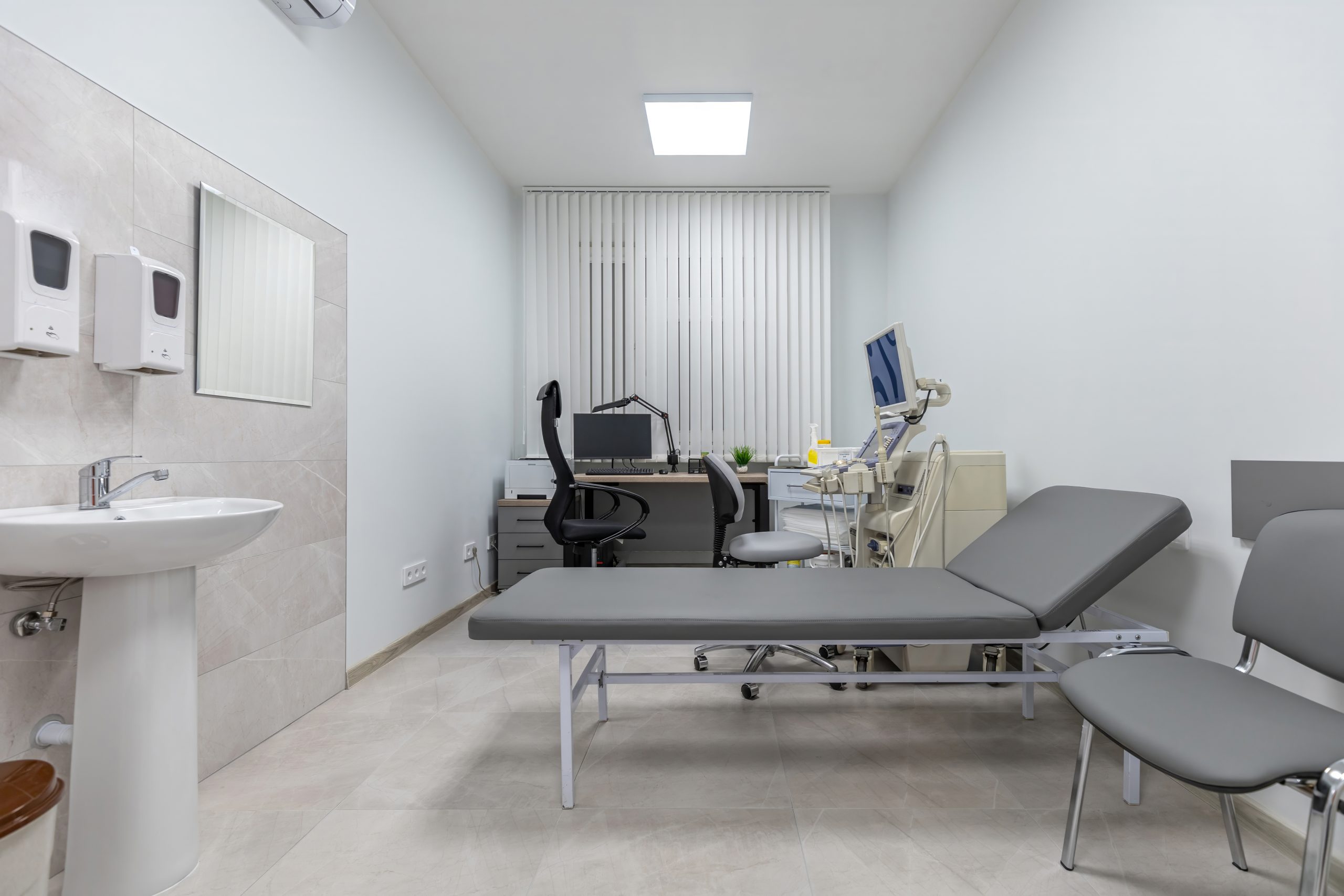
Medical clinics rely on consistency, cleanliness, and preparedness to operate effectively. From waiting rooms to treatment areas, every part of a clinic depends on reliable consumables to support patient care and protect staff. Selecting the right hospital and medical supplies is not only about compliance; it also plays a direct role in workflow efficiency, infection control, and patient confidence. Consistent hygiene also reassures patients and reinforces trust in the clinic.
For clinic owners, practice managers, and healthcare administrators, understanding which supplies are essential and how they support daily operations helps ensure smooth, uninterrupted care delivery. Clinics typically manage a mix of alcohol-based and non-alcohol sanitising products depending on surfaces, patient needs, and care settings.
Medical environments experience high foot traffic, frequent surface contact, and close interactions between staff and patients. In these conditions, hygiene standards must be maintained consistently throughout the day. Hospital and medical supplies act as the foundation of these standards, supporting infection prevention and operational continuity.
Australian healthcare guidelines emphasise:
When supplies are insufficient, poorly suited, or inconsistently stocked, clinics may face workflow delays, hygiene risks, and avoidable stress for staff.
While each clinic has unique requirements, most rely on a core set of consumables to maintain hygiene and efficiency.
Hand hygiene remains one of the most effective ways to reduce the spread of infection in clinical settings. Clinics typically position sanitiser stations at entrances, reception desks, and treatment rooms. Products from hand sanitiser stations and sanitiser and soap dispensers ranges help support frequent use throughout the day.
Alongside hand hygiene, clinics depend on surface disinfectants and cleaning agents to maintain safe treatment spaces. Many practices source these through wholesale bulk cleaning chemicals to ensure consistent availability across consultation rooms and shared areas.
Disposable gloves are among the most frequently used hospital and medical supplies in clinics. They help reduce cross-contamination during examinations, procedures, and cleaning tasks.
Different glove materials suit different clinical needs:
Many clinics streamline procurement by sourcing from affordable disposable gloves ranges to ensure consistent sizing and quality across staff.
Proper waste management is essential in maintaining hygiene and preventing contamination. Medical clinics generate various waste types, including general waste, hygiene waste, and contaminated disposables.
Using reliable liners and bags helps prevent leaks and odours while supporting safe disposal. Clinics often rely on wholesale dustbin liners and garbage bags to manage waste across consultation rooms, bathrooms, and staff areas.
Waste management systems work best when combined with clear disposal protocols and regular collection schedules.
Hygiene doesn’t stop at treatment areas. Waiting rooms, staff kitchens, and bathrooms also require attention to maintain a professional and safe environment.
Many clinics maintain shared spaces using hygiene essentials and workplace hygiene products that support:
Maintaining these areas consistently contributes to patient confidence and supports overall clinic presentation.
Efficient clinics are often those with predictable supply systems. When hospital and medical supplies are readily available, staff spend less time searching for items and more time focusing on patient care.
Best practices for supply management include:
These practices reduce interruptions and help clinics operate smoothly even during busy periods. Consistency is easier to maintain when clinics rely on a core set of essential items, including PPE for care staff, disposable gloves, hygiene and washroom supplies, bulk cleaning chemicals, and other essential healthcare supplies used across aged care and clinic environments.
Managing costs is an ongoing concern for medical practices, but cutting corners on essential supplies can lead to inefficiencies and risks. Instead, clinics often focus on:
When selected thoughtfully, hospital and medical supplies support both financial sustainability and clinical standards.
Running an efficient and hygienic medical clinic depends on more than clinical expertise alone. Reliable consumables, consistent hygiene practices, and well-managed supplies play a critical role in daily operations. By understanding which hospital and medical supplies are essential and how they support workflow, clinics can maintain safe environments for both staff and patients.
For practices reviewing their current setup, BulkBuys provides access to a wide range of medical, hygiene, and cleaning supplies that support consistent standards across clinical environments.
How can clinics avoid running out of critical supplies?
Using minimum stock levels, tracking high-use items, and planning bulk purchases around usage patterns helps prevent shortages and last-minute reordering.
How often should clinics review their medical supply inventory?
Most clinics review inventory weekly, with high-use items checked daily to avoid shortages.
Are disposable gloves required for all patient interactions?
Glove use depends on the task and level of contact. Not all interactions require gloves, but many clinical procedures do.
How can clinics improve hygiene in waiting rooms?
Regular surface cleaning, accessible hand sanitiser, and clear waste disposal help maintain hygiene in shared spaces.
What’s the best way to store medical consumables?
Supplies should be stored in clean, dry areas with clear labelling and easy staff access.
Do bulk cleaning products expire quickly?
Most have long shelf lives when stored correctly, making them suitable for clinics with regular usage.