







Sign in
Don't have an account?
Share
Share
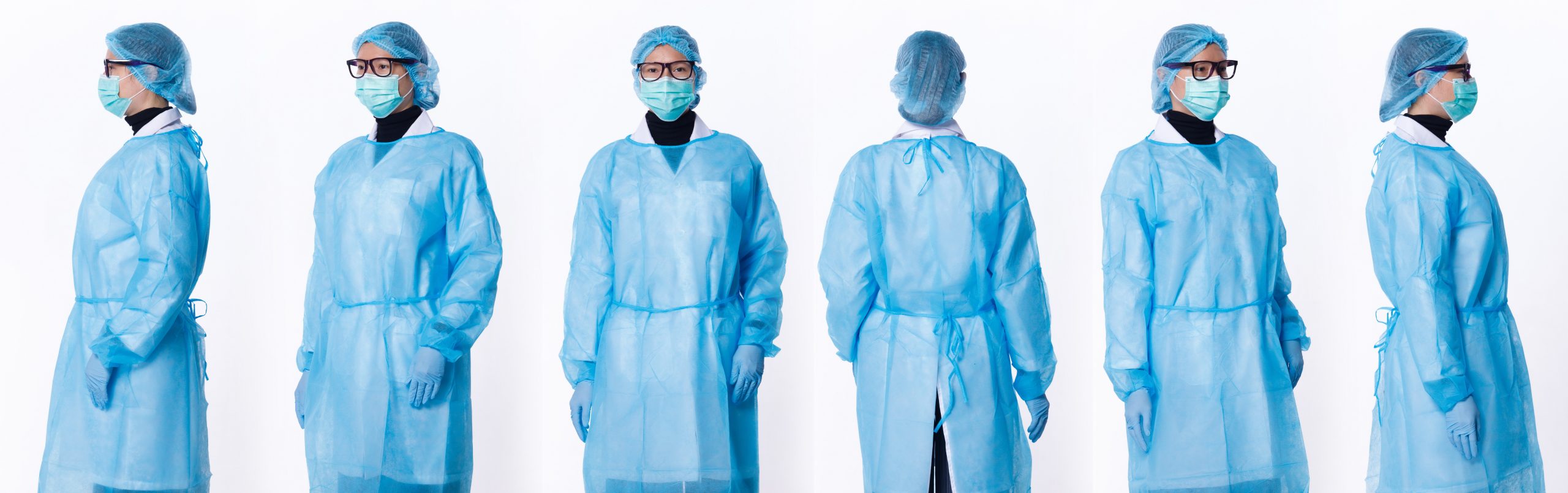
Healthcare workers rely on protective clothing to reduce exposure to contaminants, bodily fluids, and infectious materials during clinical procedures. Two commonly used protective garments are disposable aprons and full isolation gowns. While both serve infection control purposes, they offer different levels of coverage and protection.
Understanding when to use each type of protective apparel is important for maintaining safety while also managing supply usage efficiently. Healthcare facilities must balance protection levels with procedure risk, ensuring staff have the right equipment without overusing higher-level PPE for low-risk tasks.
This guide explains how disposable aprons differ from full gowns, the situations where each is appropriate, and how healthcare facilities evaluate protection levels. It complements the wider hygiene planning strategies discussed in Commercial Workplace Hygiene & Facility Supply Strategy Explained and the clinical PPE planning framework outlined in PPE & Hygiene Supply Planning for Clinics & Healthcare Facilities.
Protective garments create a barrier between healthcare workers and potential contaminants. During patient care, splashes or contact with bodily fluids may occur, and protective apparel helps reduce the risk of contamination reaching clothing or skin.
Protective clothing is typically used alongside other PPE items such as gloves, masks, and eye protection sourced through a trusted PPE supplier.
In clinical environments, protective garments are selected based on several factors:
When these factors are properly assessed, healthcare facilities can match the right level of protection with each clinical task.
Disposable aprons are lightweight protective garments designed to shield the front of the body from splashes and contaminants. They are commonly used in situations where the risk of fluid exposure is relatively low or limited to the torso.
Aprons typically cover the chest and upper legs while leaving the arms exposed. Because they are simple and quick to put on, they are often used during short-duration tasks or routine patient interactions.
Examples of commonly used apron styles include options such as the Ultra Health Disposable Polyethylene Aprons or high-volume supplies like the Prosafe Blue HDPE Apron – 500pcs.
Many healthcare facilities maintain a supply of aprons and related protective items through ranges such as shoe covers and aprons to support routine hygiene procedures.
Disposable aprons are often suitable for tasks that involve minimal fluid exposure or short contact with patients.
Common examples include:
Aprons may also be used when healthcare workers need to change protective garments frequently between patients, as they are quick to remove and replace.
Products such as Prosafe LDPE Embossed Aprons or Prosafe HDPE Dispense Aprons provide lightweight barrier protection suitable for these types of tasks.
Full isolation gowns provide a higher level of protection than disposable aprons. Unlike aprons, gowns cover the entire torso and arms, creating a larger protective barrier against contamination.
Isolation gowns are typically used when there is a higher likelihood of fluid exposure or when infection control protocols require greater coverage.
In some healthcare environments, additional protective garments such as coveralls may be used during higher-risk procedures. For example, protective apparel like the Prosafe Blue Disposable Coverall offers full-body protection for situations where exposure risk is elevated.
Because gowns provide greater coverage, they are commonly used during:
Healthcare workers must also follow proper donning and removal procedures to avoid contamination during gown removal.
The primary difference between disposable aprons and full gowns is the level of protection they provide.
Disposable Aprons
Full Isolation Gowns
Healthcare facilities typically determine which option to use based on risk assessment and infection control protocols.
Healthcare facilities rarely rely on a single type of protective garment. Instead, they develop PPE protocols that match protection levels with procedure risk.
For example:
Training healthcare workers to select the correct protective clothing is essential for maintaining infection control standards. Educational resources, such as PPE made easy for care staff, help clinical teams understand when different protective garments should be used.
Disposable aprons and gowns are typically single-use items, which means healthcare facilities must manage supply levels carefully.
Common planning considerations include:
Facilities that track weekly usage patterns can forecast demand more accurately and avoid supply disruptions.
Many clinics centralise procurement through suppliers such as Bulk Buys to maintain consistent access to PPE and hygiene supplies.
Healthcare facilities sometimes encounter challenges when selecting protective garments.
Some common mistakes include:
Using aprons when full gowns are required
This can reduce protection during procedures involving significant fluid exposure.
Overusing gowns for routine tasks
Using higher-protection garments unnecessarily can increase supply costs.
Ignoring staff training
Even the best PPE is ineffective if healthcare workers are unsure when to use it.
Failing to track usage patterns
Without monitoring consumption, facilities may unexpectedly run out of protective apparel.
Regular reviews of PPE usage help healthcare managers maintain balanced supply levels.
Disposable aprons and full gowns are only one part of a broader infection control system. They work alongside gloves, masks, disinfectants, and cleaning protocols to maintain safe healthcare environments.
Understanding how protective garments fit into the overall PPE system is essential for healthcare managers responsible for infection control planning.
These protective apparel strategies are explained further in PPE & Hygiene Supply Planning for Clinics & Healthcare Facilities, which outlines how clinics forecast PPE usage and maintain supply continuity.
Within a wider operational framework, protective apparel planning also supports the hygiene management principles described in Commercial Workplace Hygiene & Facility Supply Strategy Explained, which explores how organisations structure workplace hygiene supply systems.
Disposable aprons and full isolation gowns both play important roles in healthcare infection control. While aprons offer convenient protection for lower-risk tasks, gowns provide broader coverage for procedures involving greater exposure risk.
By understanding the differences between these protective garments, healthcare facilities can ensure staff have the right level of protection for each task. Matching protective apparel with clinical risk not only supports infection prevention but also helps clinics manage PPE supplies more efficiently.
What is the difference between disposable aprons and isolation gowns?
Disposable aprons protect the front of the body only, while isolation gowns provide full coverage of the torso and arms.
When should healthcare workers wear disposable aprons?
Aprons are typically used during low-risk tasks such as routine patient examinations or surface cleaning.
When are full gowns required in healthcare environments?
Full gowns are used when there is a higher risk of exposure to bodily fluids or infectious materials.
Are disposable aprons single-use items?
Yes, most disposable aprons are designed for single use and should be discarded after each task or patient interaction.
How do clinics decide which protective garment to use?
Clinics evaluate procedure risk, infection control protocols, and exposure levels to determine whether aprons or gowns are appropriate.