


Share
Share

Running a small business today means navigating rising costs, unpredictable demand, and shrinking margins. Every dollar saved goes straight back into strengthening your operations. That’s why smart purchasing is one of the most effective, and often overlooked, ways for small businesses to reduce expenses while maintaining high-quality service.
Whether you’re a café ordering cleaning supplies, a trades business needing PPE, or an office managing everyday essentials, understanding how wholesale and bulk buying work can dramatically improve your cash flow. Instead of reacting to shortages or last-minute orders, you build consistency, stability, and savings into your budget.
This consolidated guide combines the strongest strategies from small business budgeting and wholesale buying best practices to give you one authoritative resource on buying smarter, not smaller.
Small businesses often face tight margins, meaning even minor overspending adds up quickly. Buying retail-priced items, making frequent emergency purchases, or ordering small quantities leads to higher per-unit costs.
Smart purchasing supports your budgeting goals by helping you:
Cost reduction isn’t about cutting corners, it’s about eliminating inefficiencies. And purchasing is one of the easiest areas to optimize.
These terms are often used interchangeably, but they serve different business needs.
Wholesale purchasing means buying directly from a manufacturer or distributor, typically at discounted rates.
Best for businesses that:
Bulk buying focuses on purchasing large quantities of an item to reduce the cost per unit.
Best for businesses that use consumables daily, such as:
Both approaches help reduce business costs, but bulk buying is accessible to almost any small business, because you don’t need wholesale licensing or large storage capacity, just good planning.
Buying wholesale allows small businesses to take advantage of several built-in savings opportunities:
Bulk purchasing helps save money across routine operations that rely heavily on consumables.
Here’s how:
Example:
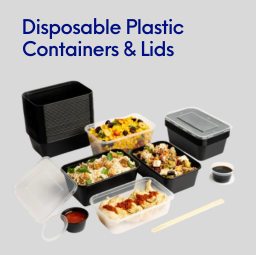
A hospitality venue uses sanitisers, paper towels, napkins, and disposable catering items daily. Buying these in bulk from Bulk Buys ensures they never run out, and pay significantly less per pack compared to retail.
Whether buying wholesale or bulk, selecting the right supplier determines your long-term cost efficiency.
Your reputation depends on offering reliable products. Always check:
The lowest price isn’t always the best price. Look for value:
A good supplier helps you avoid stockouts and delays. Consider:
Small businesses benefit from suppliers that offer:
Bulk Buys, for example, offers flexibility across product categories such as gloves, wipes, toiletries, and office supplies, ideal for small businesses managing diverse needs.
Buying wholesale or in bulk works best when paired with strong internal budgeting systems. Consider implementing:
Each of these strategies multiplies the cost benefits of smarter purchasing.
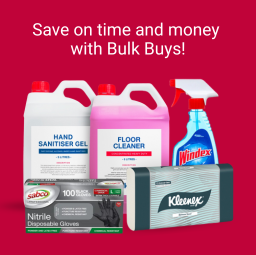
Some items offer better returns when bought in bulk because they’re used daily, have long shelf lives, and don’t depend heavily on seasonal demand.
Explore: Cleaning Supplies
Explore: Catering & Hospitality Supplies
Explore: PPE Supplies
Strategically choosing which categories to bulk buy makes a noticeable difference in both short-term and long-term budgeting.
Smart purchasing isn’t about buying the cheapest products or slashing quality, it’s about creating a reliable, cost-effective system that supports your business goals. Mixing wholesale buying with bulk purchasing allows small businesses to:
By focusing on essentials like cleaning products, gloves, disposables, and office supplies, you can immediately unlock savings without compromising your service quality.
Whether you run a café, childcare centre, office, or hospitality venue, buying smart helps your business grow confidently and sustainably.
What’s the difference between wholesale and bulk buying?
Wholesale buying involves purchasing from manufacturers or distributors, usually with minimum order requirements. Bulk buying means purchasing large quantities of an item at once to reduce the unit price.
Is bulk buying only for large businesses?
Not at all, even small businesses benefit from buying everyday essentials in bulk, especially consumables like cleaning products and PPE.
How can I avoid overstocking when buying in bulk?
Use simple inventory tracking tools, monitor usage trends, and only bulk buy items your business uses consistently.
What types of products should small businesses buy in bulk?
Cleaning supplies, gloves, office essentials, and disposable catering items are the most cost-effective to buy in bulk.
How do I choose the right wholesale supplier?
Evaluate quality, price, reliability, and flexibility. A good supplier provides strong customer support, timely delivery, and fair pricing.