




Sign in
Don't have an account?
Share
Share
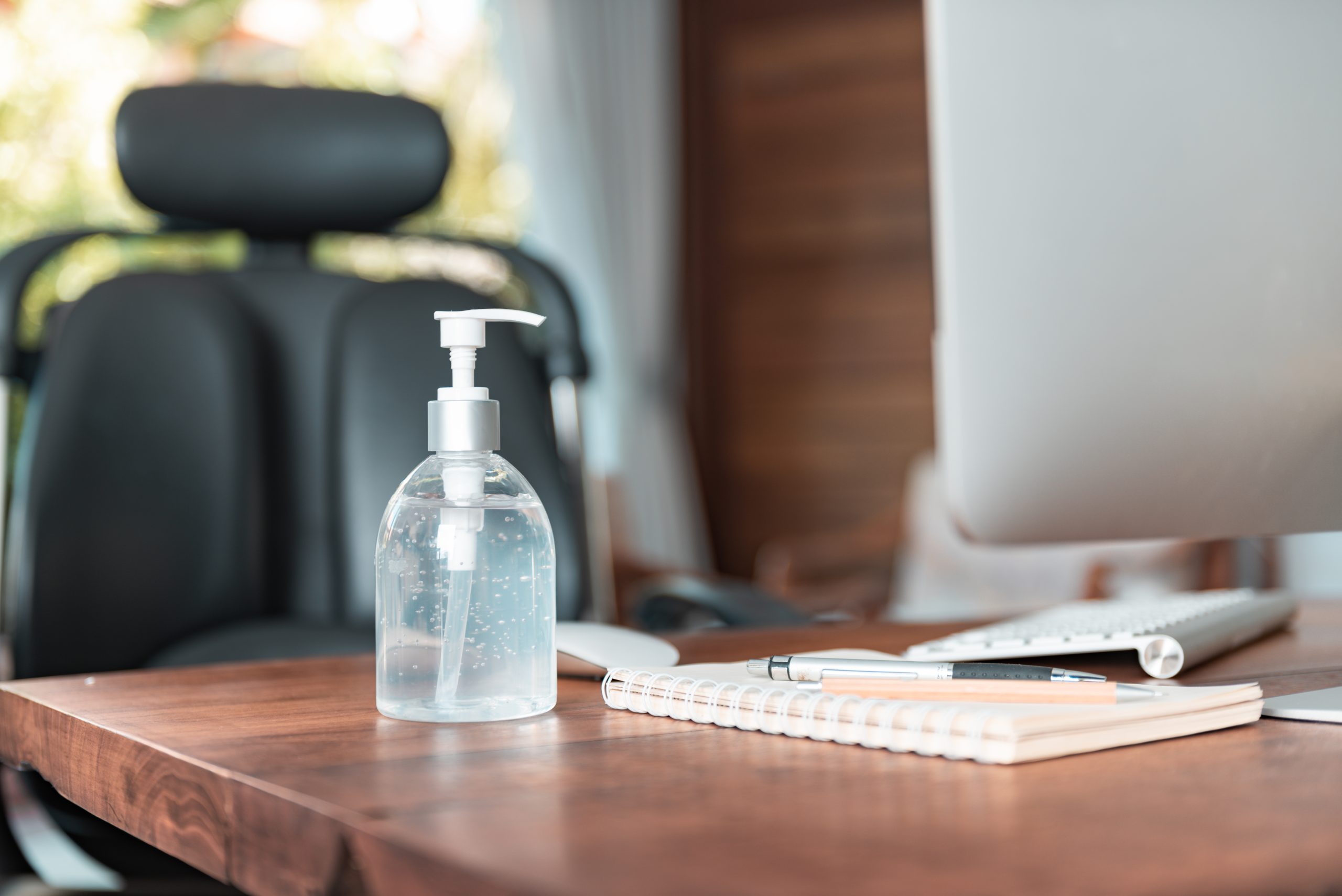
Workplace hygiene plays a critical role in employee health, productivity, and overall business success. While the pandemic may no longer dominate daily life, bacteria, viruses, and germs such as colds and seasonal flu remain constant threats, especially in shared office environments.
A hygienic workplace isn’t just about appearances. It reduces illness, limits sick days, improves morale, and creates a safer, more professional environment for employees and visitors alike. From individual workstations to shared washrooms, maintaining high hygiene standards requires consistency, accountability, and the right supplies.
This guide breaks down everything employers and employees need to know about workplace hygiene, covering hygienic workstations, washroom essentials, cleaning routines, and practical steps to build a culture of cleanliness.
Good hygiene in the workplace benefits everyone. Employees stay healthier, businesses experience fewer disruptions, and clients feel confident in your professionalism.
A hygienic office helps to:
Hygiene standards matter across all industries, whether your workplace is an office, warehouse, retail environment, or shared facility.
Employers and managers have a responsibility to provide a safe and hygienic working environment. This includes more than hiring a cleaning service, it means setting expectations, leading by example, and ensuring employees have access to proper hygiene resources.
Key employer responsibilities include:
When leadership prioritizes hygiene, employees are more likely to follow suit.
A hygienic workstation goes beyond just a desk.
Workstations include:
Every shared space presents an opportunity for germs to spread if hygiene is overlooked.
Maintaining hygiene isn’t solely the employer’s job. Employees also play an essential role in keeping the workplace clean and safe.
Encourage habits such as:
Providing hand sanitiser, tissues, and soap in accessible locations makes good hygiene easier to maintain.
Employees should:
A clean workspace improves focus, reduces stress, and limits bacteria buildup.
A regular cleaning schedule is the backbone of workplace hygiene. Even if professional cleaners are used, employees should still take responsibility for keeping their own work areas clean.
A cleaning roster should include:
Tracking tasks helps maintain accountability and consistency.
Without proper waste management, hygiene quickly deteriorates.
Best practices include:
A clean, well-stocked washroom reflects how much a business values employee wellbeing. Washrooms are one of the most critical hygiene areas in any workplace.
Every office washroom should include:
Comfort and hygiene depend on reliable supplies:
To keep washrooms sanitary:
Small details improve the washroom experience:
Buying hygiene supplies in bulk offers several advantages:
Bulk purchasing ensures your workplace never runs out of essential hygiene products, supporting consistency and reliability.
Poor ventilation can trap airborne contaminants and allergens.
To improve air quality:
A hygienic workplace should also feel comfortable:
These small touches improve mood, focus, and overall wellbeing.
Creating a hygienic workplace requires consistency and communication.
Employers should:
When hygiene becomes part of workplace culture, standards are easier to maintain.
A clean workplace isn’t just about cleanliness, it’s about respect, safety, and long-term success.
What is workplace hygiene?
Workplace hygiene refers to the practices, supplies, and standards used to keep work environments clean, safe, and free from germs and contaminants.
Why is hygiene important in the workplace?
Good hygiene reduces illness, improves productivity, boosts morale, and creates a safer environment for employees and visitors.
Who is responsible for workplace hygiene?
Both employers and employees share responsibility. Employers provide resources and standards, while employees maintain their personal and work areas.
What are essential office washroom supplies?
Hand soap, sanitiser, toilet paper, tissues, disinfectants, feminine hygiene products, and proper waste disposal items.
How often should workplaces be cleaned?
High-touch areas should be cleaned daily, while deeper cleaning schedules depend on workplace size, traffic, and industry requirements.