

Sign in
Don't have an account?
Share
Share

Whether you’re cleaning the house, working on a renovation project, or managing a business where safety is key, personal protective wear (PPE) plays a vital role in keeping everyone healthy and protected.
From reducing exposure to allergens and dust to safeguarding against spills, chemicals, or airborne particles, PPE is no longer just for hospitals or construction sites, it’s become a year-round essential for homes, offices, and workplaces across Australia.
This guide walks through the most practical types of PPE, how to use them effectively, and why building a protective habit benefits both families and employees.
In both household and professional environments, risks are often invisible—dust particles, chemical fumes, cleaning sprays, and even everyday allergens can cause irritation or illness over time.
Personal protective wear provides a simple yet powerful barrier between you and these hazards. It reduces contact, limits contamination, and supports better hygiene practices at home and at work.
Here’s where PPE proves invaluable:
From face masks to protective gloves and disposable apparel, here are the essential items every home and business should keep on hand.
Masks help block airborne particles, allergens, and pathogens.
Protective gloves are essential for anyone handling chemicals, food, or cleaning supplies.
They help prevent skin irritation, cross-contamination, and direct exposure to irritants.
Single-use protective clothing like coveralls, aprons, and shoe covers are commonly used in food handling, cleaning, healthcare, and manufacturing.
They prevent clothes from absorbing contaminants and are ideal for maintaining hygiene in shared environments. Businesses in hospitality, healthcare, and logistics increasingly rely on disposable apparel as part of standard operating safety protocols.
Good hygiene complements PPE by reducing risk on shared surfaces and hands.
For added protection from splashes, dust, or chemical sprays, safety goggles or face shields are essential, especially for workers in cleaning, lab, or construction settings. At home, they’re handy for DIY tasks like sanding, painting, or gardening.
Simply owning PPE isn’t enough, how you use it matters. Follow these quick tips for best results:
For businesses, PPE isn’t just a compliance requirement, it’s part of a broader safety culture that builds trust with employees and customers alike. Regularly reviewing PPE use ensures safety standards are maintained and reduces absenteeism due to illness or injury.
For households, keeping a small PPE kit on hand, masks, gloves, wipes, and sanitiser, makes it easier to handle unexpected messes, illnesses, or allergy flare-ups safely.
A strong hygiene and safety routine benefits everyone: fewer sick days, cleaner environments, and better peace of mind.
Personal protective wear isn’t just about responding to health scares—it’s about everyday safety and prevention. From homes to businesses, having the right PPE on hand creates a cleaner, safer, and more responsible environment for everyone.
Whether you’re protecting your staff, your customers, or your family, the right combination of masks, gloves, apparel, and hygiene essentials can make a lasting difference.
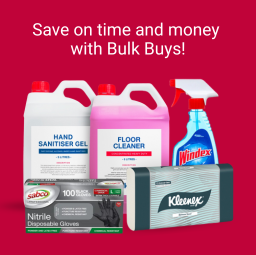
Keep your environment safe and well-prepared, browse Bulk Buys’ PPE & Hygiene Essentials to stock up on trusted products for home and work.
What counts as personal protective wear?
It includes masks, gloves, goggles, face shields, coveralls, and other gear designed to protect users from airborne, chemical, or contact-based hazards.
Is PPE only for industrial workplaces?
No, PPE is useful for both households and small businesses. Cleaning, gardening, and general hygiene tasks can all benefit from protective gear.
How often should PPE be replaced?
Disposable items should be discarded after each use, while reusable PPE should be cleaned and inspected regularly for damage.
Can PPE reduce allergy symptoms at home?
Yes, wearing masks and gloves while cleaning or gardening helps reduce exposure to dust and pollen.
What’s the most important PPE for small businesses?
It depends on your industry, but typically includes gloves, masks, and sanitising supplies to maintain hygiene and safety compliance.