



Sign in
Don't have an account?
Share
Share

Healthcare environments depend on reliability. Clinics and aged care homes operate under constant pressure to maintain hygiene standards, protect vulnerable people, and support staff in delivering consistent care. Having the right healthcare products available at all times is not just about convenience but also about safety, compliance, and quality of care.
From infection control items to everyday hygiene essentials, carefully selected aged care supplies help facilities function smoothly and reduce the risk of avoidable issues caused by shortages or unsuitable products.
Infection control is a priority across all healthcare and aged care settings. High-contact surfaces, shared facilities, and close personal care increase the need for effective hygiene practices. Hand sanitiser, surface disinfectants, gloves, and protective wear all play a role in reducing the spread of bacteria and viruses.
Facilities typically rely on a combination of dispensers and consumable hygiene products to support regular handwashing and surface cleaning. Everyday hygiene items used across clinics and residential care environments help maintain consistent infection prevention routines and form a core part of aged care supplies planning.
Routine cleaning in healthcare settings goes beyond appearance. Thorough disinfection of floors, bathrooms, treatment rooms, and communal areas helps limit cross-contamination and supports compliance with health standards.
Effective cleaning programs usually involve:
Maintaining consistent cleaning schedules relies on having suitable disinfectants and cleaning agents available across the facility. Reliable cleaning products are essential components of aged care supplies, particularly in high-traffic environments.
Bathroom facilities in clinics and aged care homes are used continuously throughout the day. Reliable access to hygiene products supports resident comfort, staff workflows, and infection control.
Common essentials include toilet paper, hand towels, tissues, liquid soap, and wall-mounted dispensers. In these environments, personal protective equipment (PPE) such as disposable gloves and protective aprons is also routinely used for personal care, cleaning tasks, and reducing cross-contamination between residents and shared spaces.
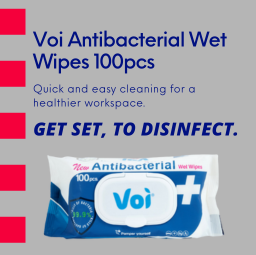
Alcohol-based solutions are widely relied upon for quick hand hygiene between tasks, while cleaning chemicals and antibacterial surface wipes such as Voi are commonly used to disinfect high-touch areas including taps, grab rails, toilet seats, and benchtops throughout the day. These practices support daily hygiene standards and reduce the risk of infection spread in shared facilities.
In addition to hygiene and cleaning products, many facilities keep basic first aid and safety items readily accessible in or near bathroom and care areas to support minor incidents and staff safety during routine duties.
These items may seem routine, but shortages can quickly disrupt daily operations. Maintaining steady access to PPE, cleaning chemicals, bathroom supplies, hygiene products, and first aid essentials helps ensure washrooms and shared facilities remain functional, clean, and well supplied. In many facilities, these everyday items account for a significant portion of ongoing aged care supplies usage.
In aged care environments, personal care products play an important role in maintaining dignity and comfort. Disposable wipes, tissues, and absorbent products support daily care routines and help staff provide assistance efficiently.
Working with a single supplier for frequently used personal care items can also simplify procurement processes and reduce administrative overhead for care providers.
While these items may not be classified as clinical supplies, their consistent availability directly affects resident wellbeing. Managing these products as part of a broader aged care supplies strategy helps reduce disruptions to care and supports a respectful living environment.
Clinics and aged care homes must be prepared to respond to minor injuries and incidents. First aid supplies enable staff to manage cuts, falls, and other minor events quickly and appropriately.
Typical safety and first aid items include:
Health, safety and warehouse essentials support safety readiness across different areas of a facility. These items are an important part of aged care supplies planning, even if they are not used daily.
Behind-the-scenes supplies are just as important as visible care products. Gloves, waste disposal items, cleaning tools, and surface wipes all contribute to safe and efficient workflows.
When these operational supplies are managed well, staff can focus on care delivery rather than sourcing replacements or working around shortages. Consistent access to these products helps maintain stability in busy healthcare environments and reduces unnecessary interruptions.
Effective supply management involves understanding usage patterns, planning ahead, and reviewing stock levels regularly. Facilities that actively manage their aged care supplies are better positioned to avoid shortages, reduce waste, and maintain compliance with hygiene and safety requirements.
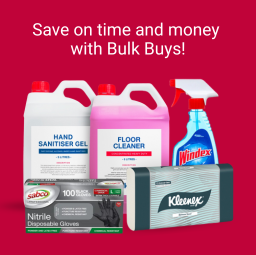
Bulk purchasing of frequently used items can also support cost control and consistency, particularly for cleaning products, hygiene essentials, and PPE. Aligning supply levels with facility size and resident needs helps ensure resources are used efficiently without compromising care standards.
Clinics and aged care homes rely on a wide range of healthcare and hygiene products to operate safely and effectively. From infection control and cleaning to personal care and safety preparedness, essential supplies support every aspect of daily care.
Maintaining a well-planned inventory of aged care supplies helps facilities protect residents and staff, meet regulatory expectations, and deliver reliable care without disruption. Thoughtful supply selection and ongoing stock management are fundamental to creating safe, comfortable, and compliant healthcare environments.
What are the most important aged care supplies to stock?
Hygiene products, cleaning chemicals, PPE, bathroom essentials, and first aid items are all considered essential.
How often should healthcare facilities review supply levels?
Most facilities benefit from weekly or monthly reviews, depending on usage and resident numbers.
Why is bulk purchasing useful in aged care settings?
Bulk purchasing helps ensure consistent availability, reduces the risk of shortages, and can improve cost efficiency.
Are cleaning products different for healthcare environments?
Yes. Healthcare settings require disinfectants and cleaners suitable for frequent use and infection control standards.
How do supplies impact care quality?
Reliable access to essential supplies allows staff to focus on care delivery rather than managing disruptions or shortages.