

Sign in
Don't have an account?
Share
Share
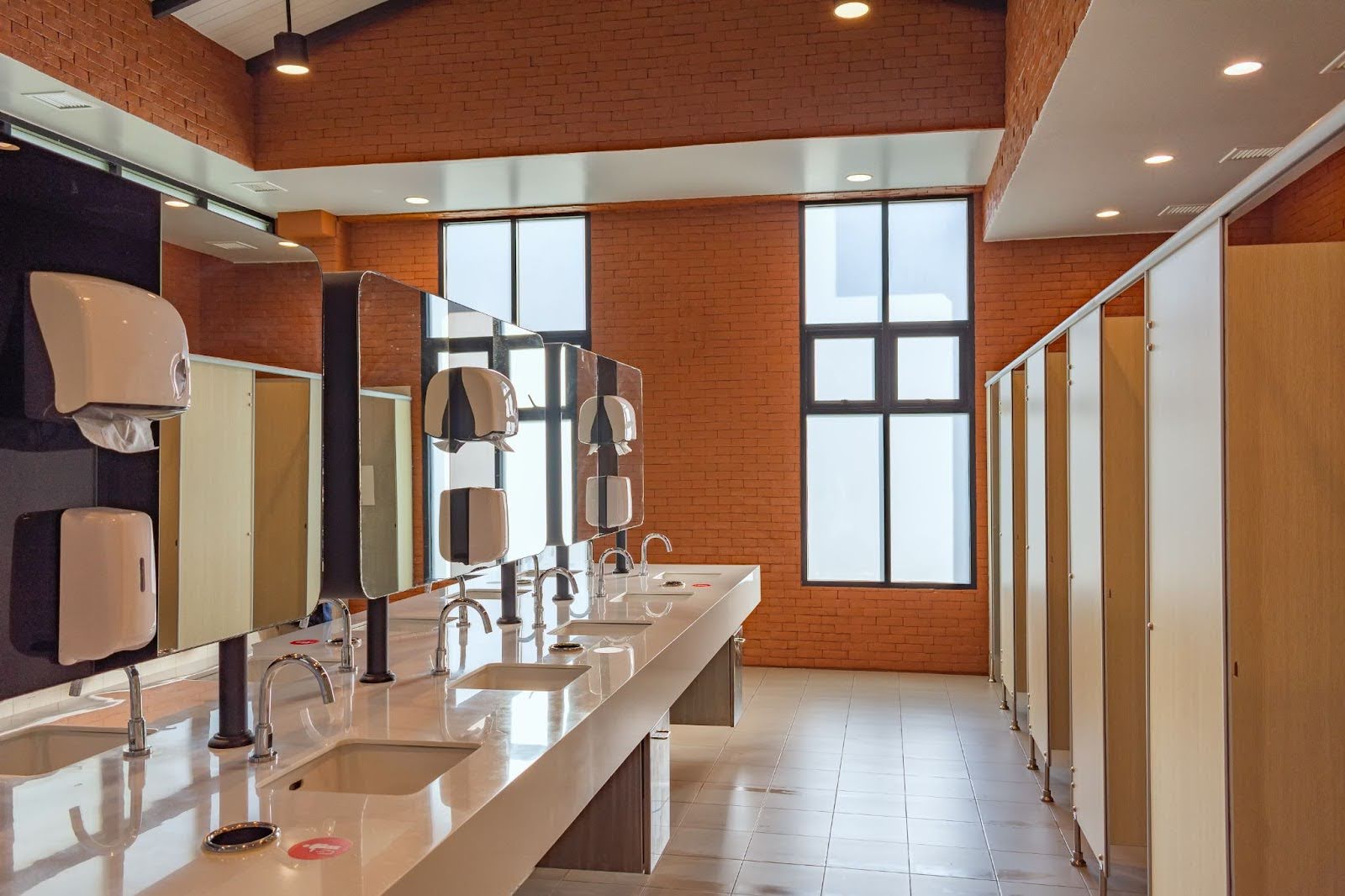
Well-functioning washrooms play a significant role in workplace hygiene, comfort, and overall experience. For facilities managers, corporate cleaners, and procurement officers, choosing the right washroom supplies helps ensure cleanliness is maintained, refills are predictable, and staff and visitors have what they need at all times.
The following sections outline the core products used in modern Australian office washrooms and the key considerations when selecting and managing them across different workplace environments.
Washrooms experience constant foot traffic, and even small gaps in supply can affect hygiene, odour control, and user comfort. A consistent supply plan supports:
Reliable washroom supplies make everyday operations easier and help workplaces maintain consistent hygiene standards.
Paper consumables form the foundation of most washroom setups. Offices typically keep a steady supply of:
The type of product used often depends on traffic levels and dispenser design. Workplaces may choose between standard or high-capacity options available across ranges of toilet paper varieties and broader bathroom essentials, which include formats suitable for everyday stocking.
Dispenser systems help manage usage, reduce waste, and improve hygiene. Offices commonly use:
Offices often select models based on traffic volume, refill frequency, and accessibility requirements. Options such as toilet paper dispensers, automatic hand dryers, and sanitiser and soap dispensers support consistent hygiene practices and reduce the need for frequent maintenance.
Hand hygiene products support everyday cleanliness and help reduce the spread of germs in shared facilities. Common essentials include:
A consistent stock of these products helps maintain hygienic washrooms across different office sizes. Offices often pair soap refills with compatible sanitiser and soap dispensers to ensure consistency across multiple washrooms.
Washrooms require dedicated cleaning chemicals to manage surfaces, odours, and hygiene. Typical products include:
A well-selected range of cleaning supplies helps maintain hygiene standards and supports routine cleaning tasks. Workplace-ready options can be found within selections of bulk cleaning chemicals, which offer products suited to frequent washroom maintenance.
Effective waste management helps maintain freshness and prevents odours from building up. Useful items include:
Maintaining appropriate waste-handling products supports a cleaner, more pleasant washroom environment. Many workplaces stock these alongside other bathroom essentials to create a cohesive maintenance routine.
Washrooms should accommodate different user needs and meet general safety standards. Key considerations include:
Small adjustments in layout and product choice often improve usability for all staff and visitors.
Supply management becomes easier when guided by predictable systems. Facilities teams can improve efficiency by adopting the following practices:
Understanding which items run out fastest helps refine restocking schedules.
Establishing thresholds prevents shortages of essentials such as toilet rolls, hand soap, and cleaning chemicals.
Using the same dispenser models simplifies ordering and maintenance.
Regular checks (daily for busy offices) ensure washrooms stay presentable throughout the day.
Observing how well products hold up in practice helps guide future procurement decisions.
Clean, well-equipped washrooms contribute to the overall experience of any workplace. With the right combination of paper products, hygiene essentials, dispensers, waste-management tools, and cleaning chemicals, facilities teams can maintain dependable and hygienic washrooms that support everyday operations. Thoughtful management of washroom supplies also reduces downtime and streamlines the responsibilities of cleaners and coordinators.
What are the main washroom supplies offices should always have?
Toilet tissue, hand soap, hand-drying options, bin liners, and suitable cleaning chemicals form the core of most workplace washrooms.
How often should workplace washrooms be checked?
Frequency depends on traffic, but most offices conduct daily inspections to ensure soap, tissue, and towels remain stocked.
What types of dispensers work best for busy washrooms?
High-capacity toilet roll dispensers, automated hand dryers, and sensor-based soap dispensers help reduce maintenance demands.
Which cleaning chemicals are suitable for washrooms?
Disinfectants, bathroom cleaners, floor agents, and deodorising products support routine cleaning and hygiene control.
How can facilities simplify washroom maintenance?
Standardising dispensers, setting minimum stock levels, and using high-capacity consumables make restocking more efficient.