Reducing Australia’s growing waste problem requires practical habits that households and businesses can adopt every day. Bulk buying is one of the simplest ways to reduce packaging waste, limit repeated plastic disposal, and shift towards more sustainable consumption. By choosing larger quantities and refill-friendly products, shoppers support long-term environmental benefits without changing their routines dramatically.
How Bulk Buying Helps Reduce Waste
Bulk buying directly helps reduce waste by minimising how often items need to be packaged, shipped, and discarded. Instead of purchasing multiple small containers every week, buying larger volumes means fewer plastic bottles, cardboard boxes, and single-use wraps ending up in the bin.
Examples:
This approach also reduces transport-related waste and emissions because fewer deliveries are needed over the same period.
Sustainable Alternatives That Help With Reducing Waste
Bulk shopping also encourages more sustainable substitutions. Many eco-friendly catering supplies, reusable containers, and refillable cleaning products align with Australia’s push towards reducing waste at home and in business settings.
Simple sustainable swaps include:
- Compostable cups and cutlery
- Concentrated cleaning liquids that reduce plastic by volume
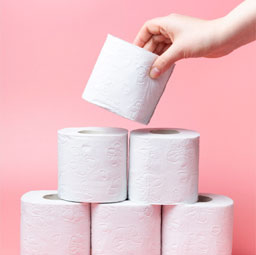
- Plastic or paper products (paper plates, toilet paper, hand towels) packaged in bulk instead of plastic sleeves
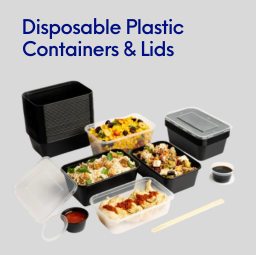
These options help answer common questions such as how to reduce plastic waste, especially for cafés, food services, and offices aiming to lessen daily environmental impact.
Practical Tips for Businesses Looking to Reduce Waste
Switching to bulk systems is straightforward, but consistency is key. Here are practical ways businesses can reduce waste without changing their operations drastically:
- Conduct a packaging audit: Identify where most packaging wastes occur, often in cleaning supplies, kitchen consumables, and disposable food packaging.
- Standardise refill stations: Set up clearly labelled refill points for soap, sanitisers, dishwashing liquids, and multi-purpose cleaners. This directly addresses how to reduce the waste that stems from repeated single-use bottles.
- Store strategically: Dedicate a cupboard or shelf for large-volume stock so items are rotated properly and easily accessed by staff.
- Choose materials wisely: When considering how can we reduce packaging, opt for bulk options that use cardboard or compostable wrapping instead of plastic.
Businesses can also use simple checklists or laminated posters to keep staff aligned with waste-reduction routines.
Final Thoughts
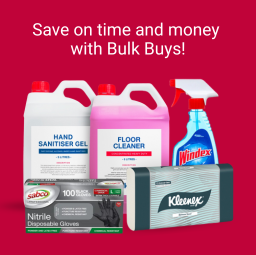
Bulk buying isn’t about major lifestyle changes but about small adjustments that create a meaningful environmental impact over time. Choosing larger pack sizes, refillable options, and eco-friendly materials helps households and workplaces reduce waste in practical, manageable ways. If you’re reviewing your current supplies or looking for sustainable alternatives, browsing eco-friendly bulk supplies here at Bulk Buys can be a helpful place to start.
FAQs
Does bulk buying always result in less packaging?
Most bulk products use significantly less packaging per unit. Even when plastic is used, the total waste is usually much lower compared to many small containers.
Is bulk buying suitable for small households?
Yes, many products like cleaning items, pantry staples, and paper goods store well and reduce shopping frequency and waste.
What types of products are best purchased in bulk?
Items with high turnover such as detergents, paper towels, catering supplies, and non-perishable goods provide the biggest sustainability benefits.
How does bulk buying support sustainability beyond packaging?
It reduces transport emissions, lowers product manufacturing frequency, and encourages long-term use of refillable containers.
What should I consider before switching to bulk products?
Check storage space, expiry dates for food items, and whether your household or business can maintain a consistent rotation of supplies.